Unraveling common gambling myths What you really need to know
The Gambler’s Fallacy Explained
One of the most pervasive myths in gambling is the gambler’s fallacy, which suggests that past events influence future outcomes. For example, if a roulette wheel lands on red several times in a row, players may believe that black is « due » to come up next. However, each spin is an independent event, and previous outcomes do not affect future results. This misconception can lead to poor betting strategies and significant losses. By exploring bitcoin sports betting sites, bettors can find platforms that help them improve their strategies using informed decisions.
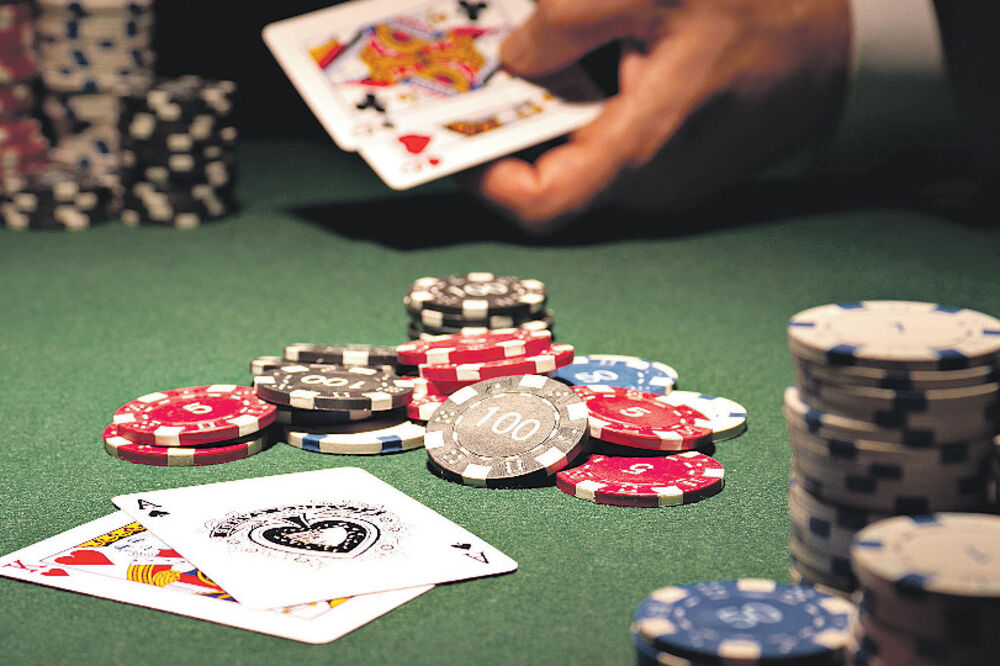
Understanding the independence of each gambling event is crucial. Educating oneself about the nature of games, whether it be poker, blackjack, or slots, can help players make more informed decisions. Instead of relying on flawed logic, successful gamblers focus on the odds and probabilities, enhancing their overall gaming experience.
Luck vs. Skill in Gambling
Another common myth is the belief that gambling outcomes are purely based on luck. While luck plays a significant role, many forms of gambling require a degree of skill. Games like poker and blackjack involve strategy, making the player’s knowledge and experience vital for success. This is especially true in competitive settings where understanding opponents’ behaviors can significantly impact the game.
Skill-based gambling can lead to more consistent outcomes over time. For example, a skilled poker player can capitalize on their opponents’ mistakes, turning an inherently luck-based game into a more strategic endeavor. Learning the strategies involved can enhance one’s chances of winning, proving that skill and knowledge can influence the outcome in meaningful ways.
The “Hot” and “Cold” Streaks Myth
Many gamblers believe in the concept of « hot » and « cold » streaks, where a player feels that a certain machine or game is due for a win after a series of losses. This myth can lead to the misconception that waiting for a machine to pay out will yield better results. However, in reality, slot machines and other games are designed to provide random outcomes, and past performance has no bearing on future results.
Recognizing the randomness of gambling outcomes can save players from making emotional decisions based on streaks. A more rational approach involves setting budgets and adhering to strategies rather than chasing losses based on misleading perceptions. Understanding that luck does not favor patterns can lead to a healthier gambling experience.
The Myth of “Chasing Losses”
Chasing losses is a behavior where players continue to gamble in an attempt to recover what they’ve lost. This notion is fueled by the belief that a win is just around the corner. However, this approach often leads to even greater losses. Many gamblers find themselves in a cycle of desperation, thinking they can regain control through additional bets.
To counteract this myth, it’s essential for players to establish limits before gambling. Knowing when to walk away can prevent significant financial strain. It’s crucial to approach gambling as a form of entertainment, not as a means to solve financial issues. By understanding the risks and being disciplined, players can enjoy their gaming experience without falling prey to this harmful mindset.
Enhancing Your Gambling Experience
Understanding the truths behind common gambling myths is crucial for both new and experienced players. Education and awareness not only improve decision-making but also enhance the overall enjoyment of the gaming experience. By separating myth from fact, players can engage in gambling responsibly and strategically.
At our website, we provide a wealth of resources to help you navigate the world of gambling. From tips on responsible betting to comprehensive guides on various games, we strive to equip players with the knowledge they need to make informed choices. Whether you are a beginner or a seasoned gambler, our platform supports your journey in unraveling the complexities of gambling.
